A Bayesian Approach to Digital Matting
Yung-Yu Chuang1
Brian Curless1
David Salesin1,2
Richard Szeliski2
1University of Washington
2Microsoft Research

Abstract
This paper proposes a new Bayesian framework for solving the
matting problem, i.e. extracting a foreground element
from a background image by estimating an opacity for each pixel of
the foreground element. Our approach models both the foreground
and background color distributions with spatially-varying mixtures
of Gaussians, and assumes a fractional blending of the foreground
and background colors to produce the final output. It then uses a
maximum-likelihood criterion to estimate the optimal opacity,
foreground and background simultaneously. In addition to
providing a principled approach to the matting problem, our
algorithm effectively handles objects with intricate boundaries,
such as hair strands and fur, and provides an improvement over
existing techniques for these difficult cases.
Citation (bibTex)
Yung-Yu Chuang, Brian Curless, David H. Salesin, and Richard Szeliski.
A Bayesian Approach to Digital Matting.
In Proceedings of IEEE Computer Vision and Pattern Recognition (CVPR 2001),
Vol. II, 264-271, December 2001
Paper

CVPR 2001 paper (3.6MB PDF)
Addendum
- We forgot to mention one thing in the paper.
Because foreground and background samples are also observations from the camera,
they should have the same noise characteristics as the observation C.
Hence, we added the same amount of camera variance \sigmac to the covariance
matrices of foreground and background samples in Equation (7).
We used eigen-analysis to find the orientation of the covariance matrix
and added \sigmac2 in every axis.
That is, we decomposed \SigmaF as U S VT.
Let S=diag{s12,s22,s32},
we set S'=diag(s12+\sigmac2,
s22+\sigmac2,
s32+\sigmac2)
and assign the new \Sigma_F as U S' VT.
By doing so, we also avoided most of the degenerate cases, i.e., non-invertible matrices.
- For the window for collecting foreground and background samples, we set a
minimal window size and a minimal number of samples. We start from a window
with the minimal window sizw. If such a window does not give us enough samples,
we gradually increase the window until the minimal number of samples is
satistified. Note that, in this way, the windows for background and foreground
might end up with different sizes.
Results
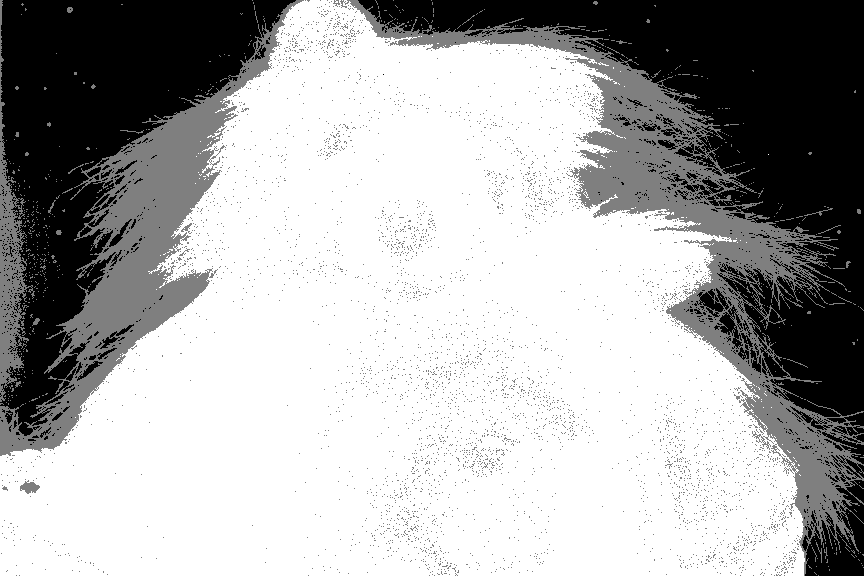
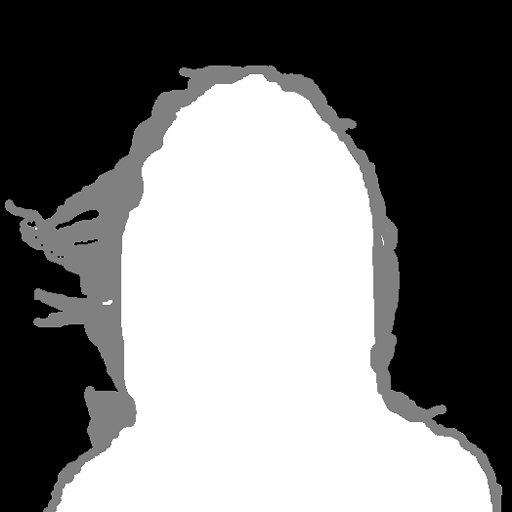
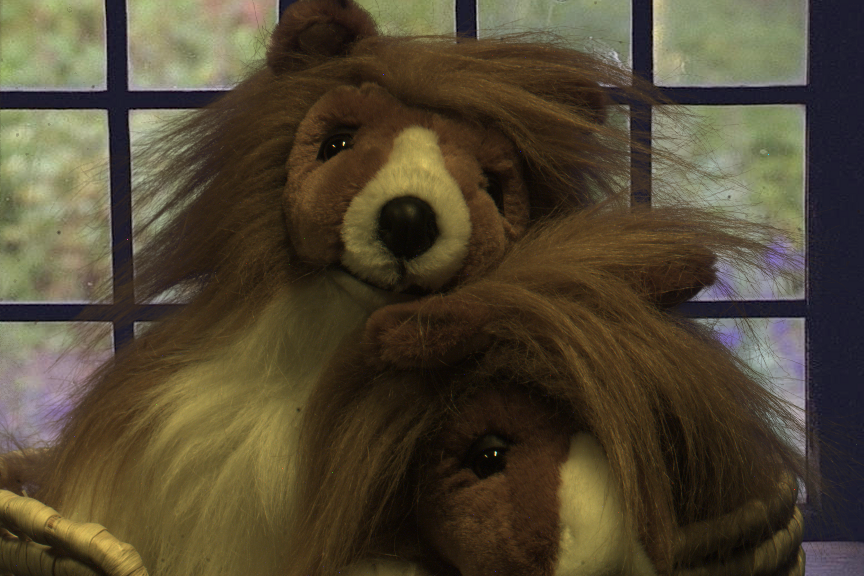
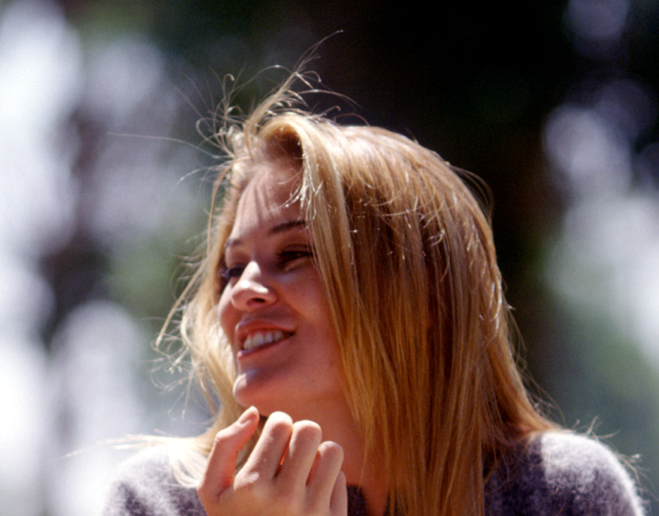
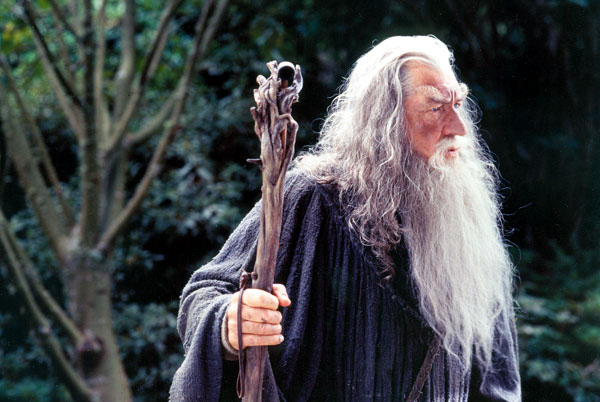
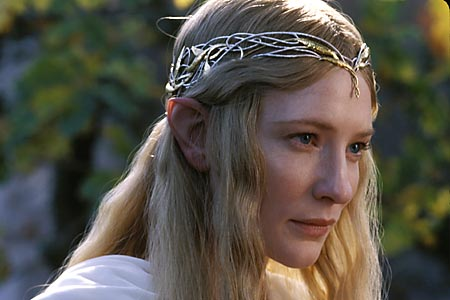
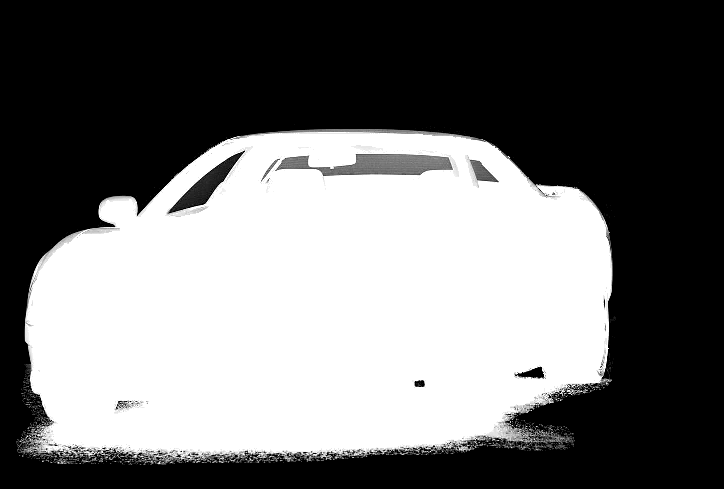
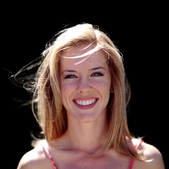
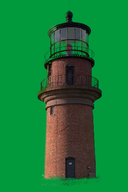
Inputs, Masks and Composites
|
| Blue-screen matting
| Difference matting
| Natural image matting
|
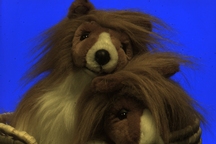
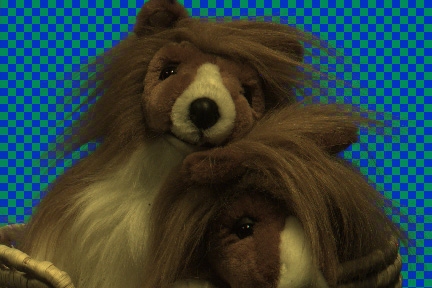
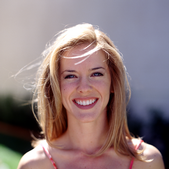
| Input
| 
| 
| 
| 
|
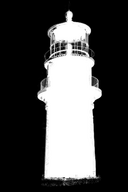
| Segmentation
|
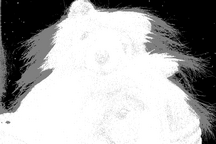
|

|

|
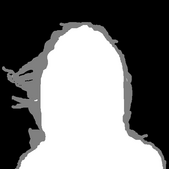
|
Composite
(Bayesian)
|
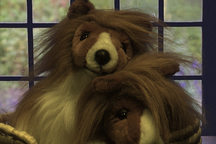
|
|
|
|
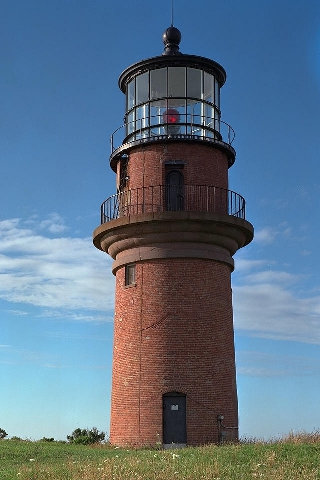
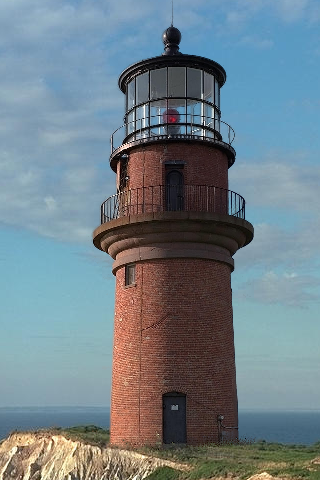
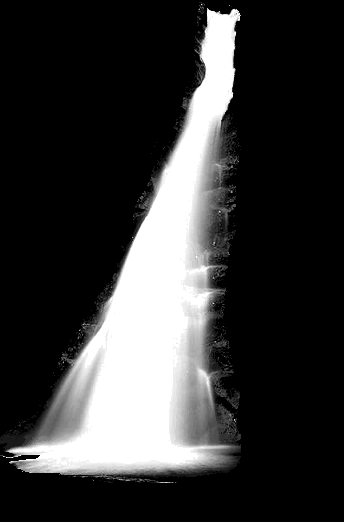
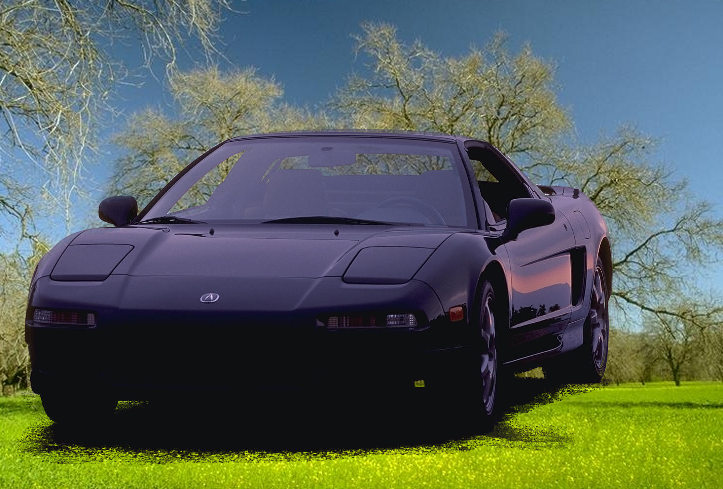
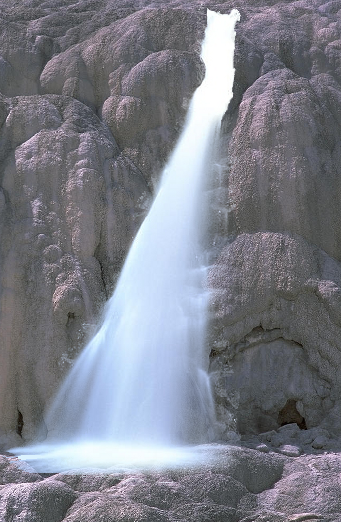
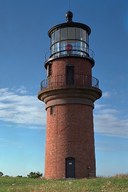
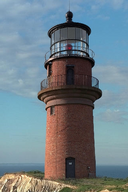
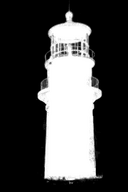
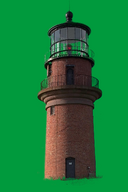
Lighthouse image and background images used in composite courtesy
Philip Greenspun, http://philip.greenspun.com.
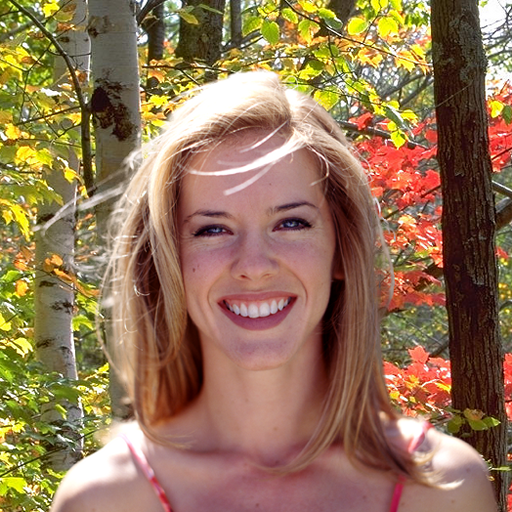
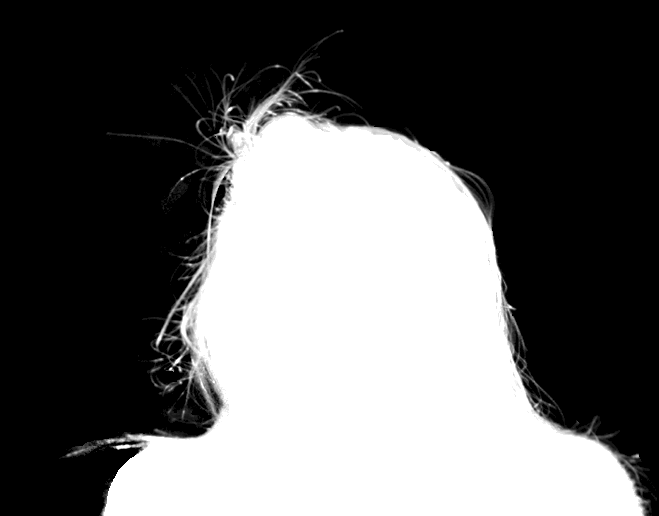
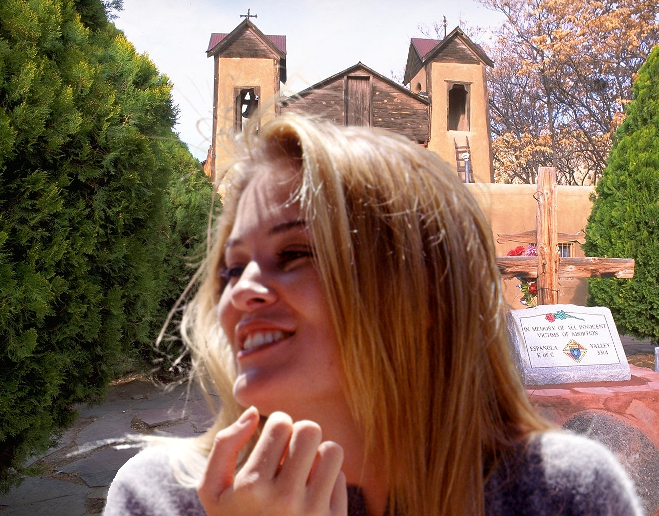
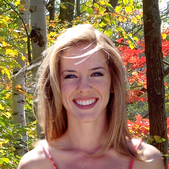
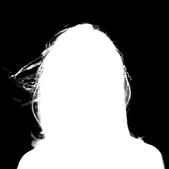
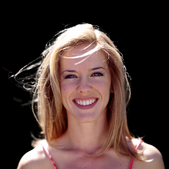
Woman image was obtained from Corel Knockout's tutorial, Copyright
© 2001 Yung-Yu Chuang, Brian Curless, David Salesin, Richard Szeliski and its licensors Corel. All rights reserved.
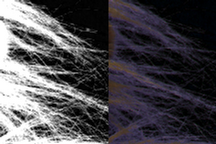
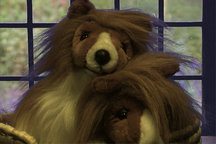
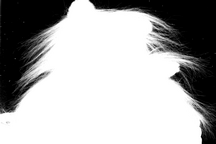
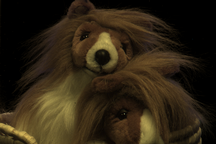
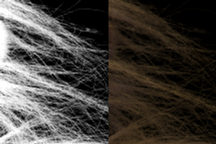
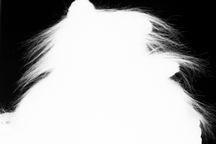
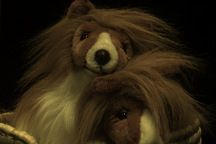
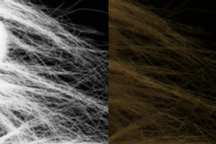
Blue-screen Matting
|
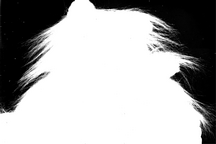
| Alpha Matte
| Composite (black)
| Inset
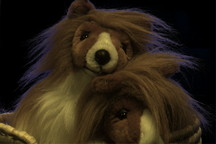
| Composite
|
| Mishima
|
|
|
|
|
| Bayesian
|
|
|
|
| Ground truth
|
|
|
|
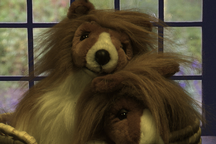
| |
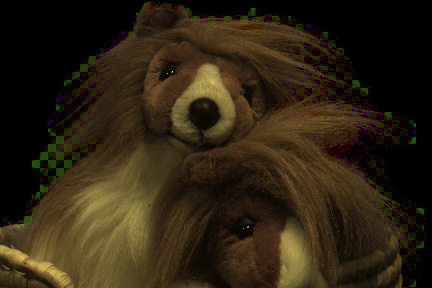
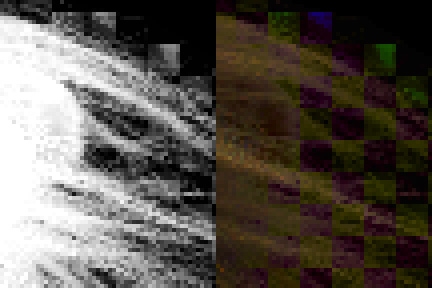
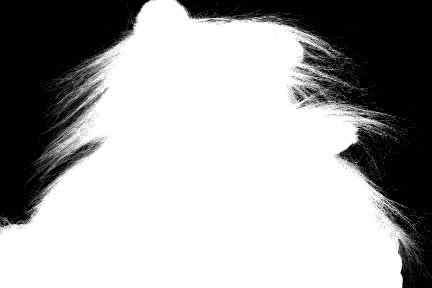
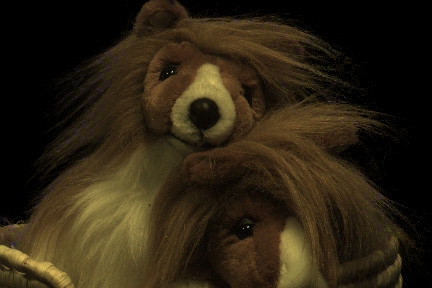
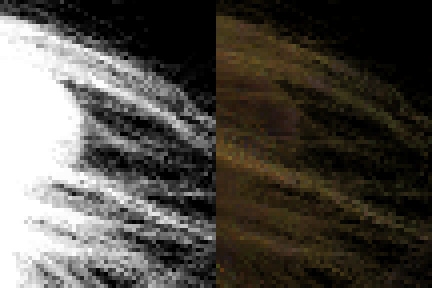
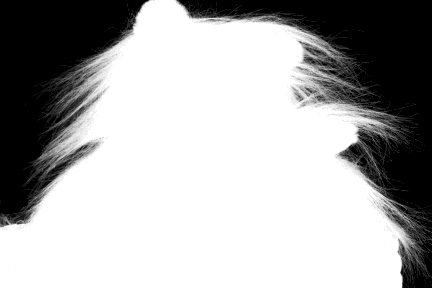
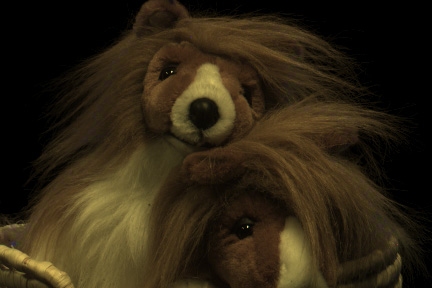
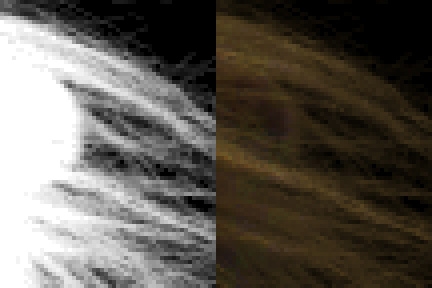
"Synthetic" Natural Image Matting
|
| Alpha Matte
| Composite
| Inset
|
Difference
Matting
| 
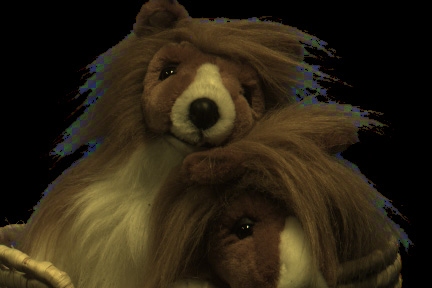
| 
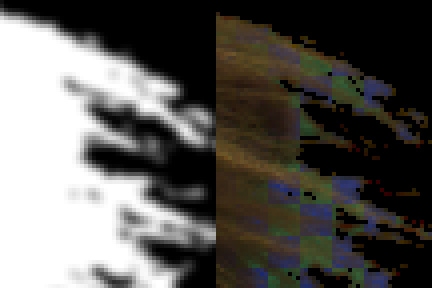
| 
|
| Knockout
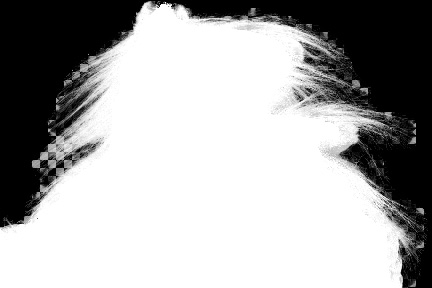
| 
| 
| 
|
Ruzon &
Tomasi
| 
| 
| 
|
| Bayesian
| 
| 
| 
|
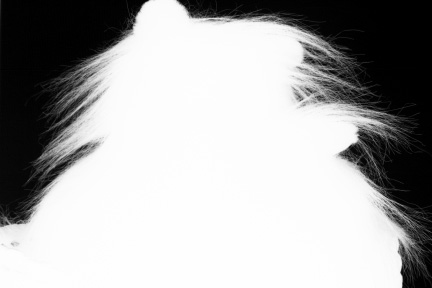
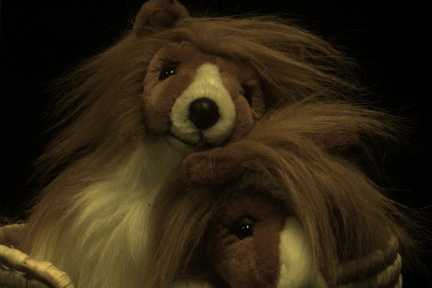
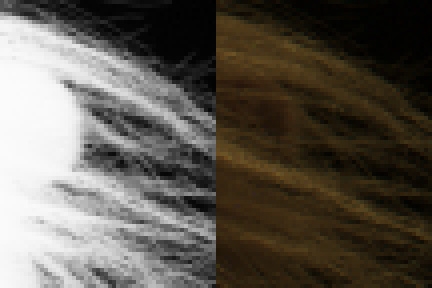
Ground
Truth
| 
| 
| 
|
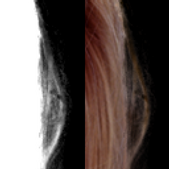
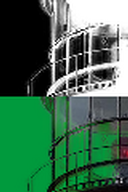
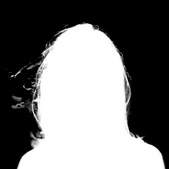
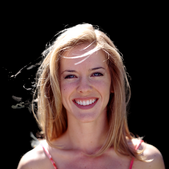
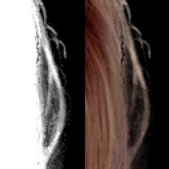
Natural Image Matting
|
| Alpha Matte
| Composite
| Inset
| Alpha Matte
| Composite
| Inset
|
| Knockout
|
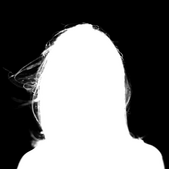
|
|
|
|
|
|
Ruzon &
Tomasi
|
|
|
|
|
|

|
| Bayesian
|
|
|
|
|
|
|
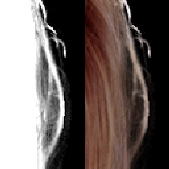
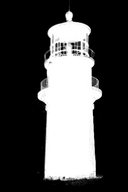
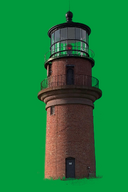
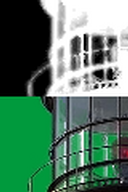
Additional results
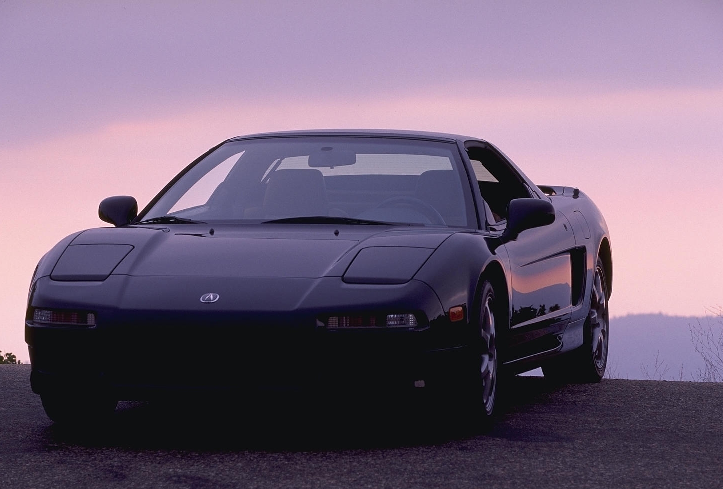
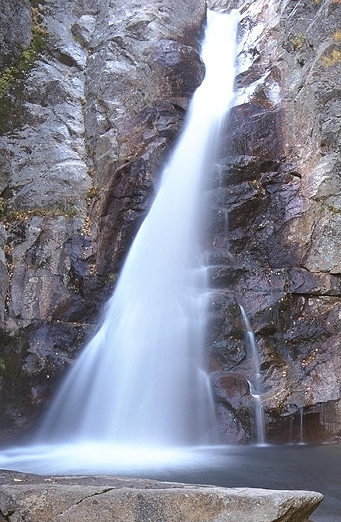
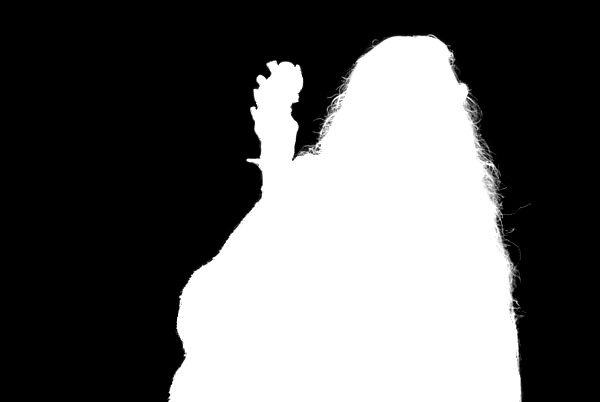
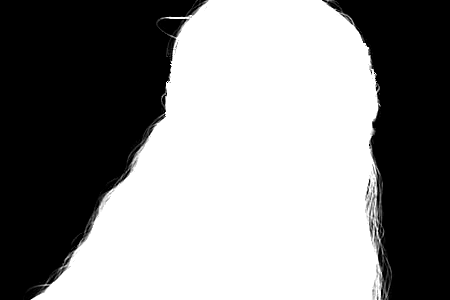
The first two images courtesy Philip Greenspun, http://philip.greenspun.com.
Woman image was obtained from Corel Knockout's tutorial.
cyy -a-t- cs.washington.edu